Part 1 – Torn Curtains and Sin’s Defeat
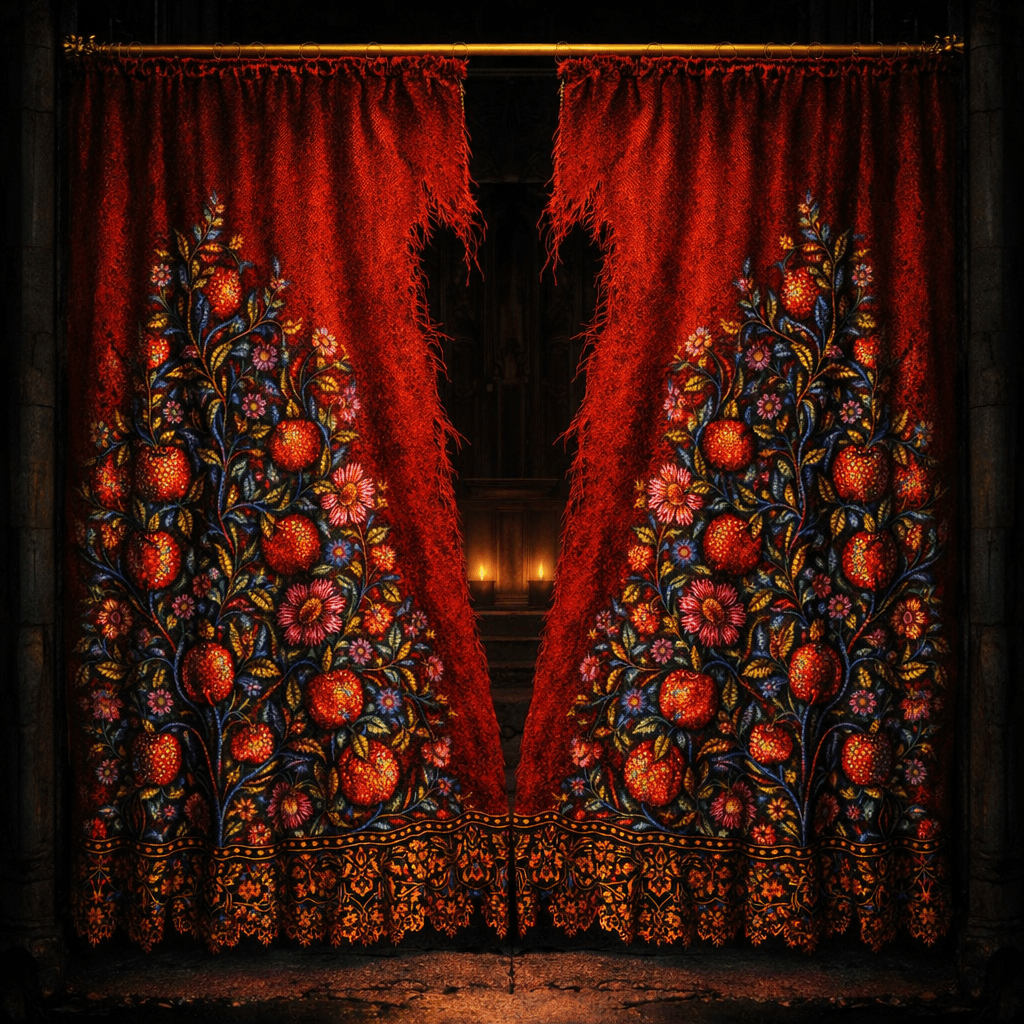
Before that moment, there were sacrifices and separation; after that moment, there was atonement and communion. No wonder the Earth shook!
Angela Lewis
Of the over 600 stories in the Bible, no more than a dozen earthquakes are recorded. Actually, there are more predictions and prophecies of end-times earthquakes than there are stories of them happening in real time. Since we know from the archaeological record that there were more earthquakes than those recorded in the Bible, it makes sense that each recorded tremor was significant in some way.
However, there is a weekend in the Gospels bookended by two earthquakes. Maybe you’ve guessed it: the weekend Christ was crucified. Two earthquakes, two seismic shifts in the earth itself, two of man’s greatest foes defeated, all in a short, three-day span. Let’s look at the Biblical record to see the earth-shaking significance of God’s plan to redeem humanity.
The first of these two earthquakes came around 3 pm on Friday. Matthew 27:50-51 says this: “Then Jesus cried out with a loud voice again and died. Suddenly, the curtain in the sanctuary was torn in two from top to bottom, the earth shook, rocks were split open.” Sedimentary records from the Dead Sea record an earthquake of about 6.0 magnitude in Jerusalem in 33 A.D., and archaeologists have uncovered damaged pivots from the Temple doors corresponding to that date.
The significance of the damage to the Temple at the crucifixion can’t be overstated. When Jesus died, He conquered sin (Romans 6:10, John 1:29, 1 Corinthians 15:55-57) for us. The separation from God that began in the Garden of Eden ended. Romans 3 makes it clear that Jesus defeated one of Satan’s best weapons that day. “For there is no distinction: for all have sinned and fall short of the glory of God, and are justified by his grace as a gift, through the redemption that is in Christ Jesus, whom God put forward as a propitiation by his blood, to be received by faith” (v. 22-25). In Genesis 3, we see sin enter the world for the first time, and we see the separation that’s put in place between God and humans. After they sinned, Adam and Eve were no longer welcome to walk in the garden with God. Instead, they were doomed to live outside of God’s company in the wilderness, sacrificing animals’ blood for atonement of their sins (Genesis 3:21, 4:4).
This separation from God, where God speaking to people is the exception rather than the rule, tracks all the way through Genesis, from the flood and the tower of Babel to the story of Abraham being called out from the city of Ur. Eventually, we see God call an entire people, Abraham’s descendants, out of Egypt and set up a system for them to live in proximity to him. They were still not in communion, but closer than people had been to God since the Garden of Eden. This system was the daily sacrifices in the tabernacle (later replaced by the Temple), which housed the Ark of the Covenant, a visual representation of the presence of God. The Bible says God lived there. His manifest presence stayed in the Holy of Holies, where the mercy seat in the middle of the Ark served as His throne. And the Israelites were allowed close to the presence of God there; God was separated only by a heavy curtain from the Holy Place where the priests sacrificed for the sins of the people. Mankind, once banished from God’s presence, was now only an embroidered piece of linen away from the presence of God.
Throughout the Old Testament, the people of God were allowed proximity to God when they came with sacrifices, sacrifices whose blood provided atonement for the people‘s sin problem. All the way back in Genesis 3, the separation between God and humanity was born out of sin. The curtain that hung between God and his people was for their protection, because sin can’t enter the presence of a holy God without consequence (Romans 6:23). Jesus came and took our sins into his body (1 Peter 2:24), and with our sins in Him, he died. He canceled all sin in that way and became the last sacrifice necessary.
The entire system of God’s relation to mankind was remade in that moment. Before that moment, there were sacrifices and separation; after that moment, there was atonement and communion. No wonder the Earth shook!
What a powerful moment in human history, the moment that we became able to walk into God’s presence once more. Matthew tells us that when the Earth shook, the curtain in the temple, the one that separated the presence of God from the people, was ripped in half from top to bottom. The first earthquake marks Jesus overcoming the first of our sworn enemies: sin. The sin that had kept humans enslaved and separated from God for millennia was crushed that day by our Savior’s sacrifice.
Matthew tells us that when the Roman soldiers saw that an earthquake coincided with His death, they were frightened. “When the centurion and those guarding Jesus with him saw the earthquake and the other things that were taking place, they were terrified and said, ‘This man certainly was the Son of God!’” (Matthew 27:54). They were afraid of the judgment of God for crucifying His Son, but this earthquake wasn’t about judgment. This was Jesus defeating the sins of all humanity with one blow. One of Satan’s favorite weapons was disarmed that day, and the earthquake served as notice to hell’s minions and to all humanity that sin could no longer keep God’s people separated from Him. He used the earthquake to tear the curtain that symbolized our separation, just as He was indeed setting us free to come boldly before Him.
But hell still had a weapon. It was the one deployed against Jesus, actually. Death remained undefeated that Friday. But don’t worry, that is what part two is for…

 Redemptive Ramblings
Leave a comment